

Introduction: Why Coffee Tables Matter More Than You Think
Coffee tables are often underestimated in the hierarchy of home furnishings, yet they serve as one of the most influential pieces in any living room. Positioned at the center of seating areas, these tables are more than decorative surfaces — they shape how people interact with a space. They hold everyday essentials, anchor the visual layout, and can even add storage or multifunctional utility to a home environment.
In modern American households, living rooms increasingly serve multiple purposes — entertainment hubs, remote work zones, relaxation areas, and social gathering spaces. As a result, furniture choices carry greater weight than ever. A well-chosen coffee table contributes to:
- Functional convenience (holding drinks, remotes, or laptops)
- Interior design cohesion
- Storage and organization
- Personal style expression
- Comfort and accessibility
Industry pricing data reflects how central coffee tables are to furnishing decisions. In the U.S., typical costs range from about $100 to $1,200 depending on materials, size, and design complexity, placing them squarely among core living room investments.
Meanwhile, broader retail availability means buyers can find options from as little as $50 to over $2,000, reflecting the diversity of styles and craftsmanship levels available today.
For shoppers, this abundance can feel overwhelming. Questions arise:
- What determines quality versus price?
- How much should you realistically spend?
- Where should you shop for the best value?
- When should you buy to save money?
This comprehensive SEO guide answers those questions and more — helping you make confident purchasing decisions.
Understanding Coffee Tables in Today’s Market
Before diving into pricing and shopping strategies, it’s helpful to understand how coffee tables have evolved.
Modern designs reflect shifting lifestyle needs:
- Lift-top models for work-from-home setups
- Storage-integrated tables for small apartments
- Multi-use furniture combining seating or hidden compartments
- Minimalist designs aligned with contemporary décor
Recent retail trends highlight multifunctionality and space-saving features, such as lift-top tables doubling as workstations or designs with hidden stools and compartments.
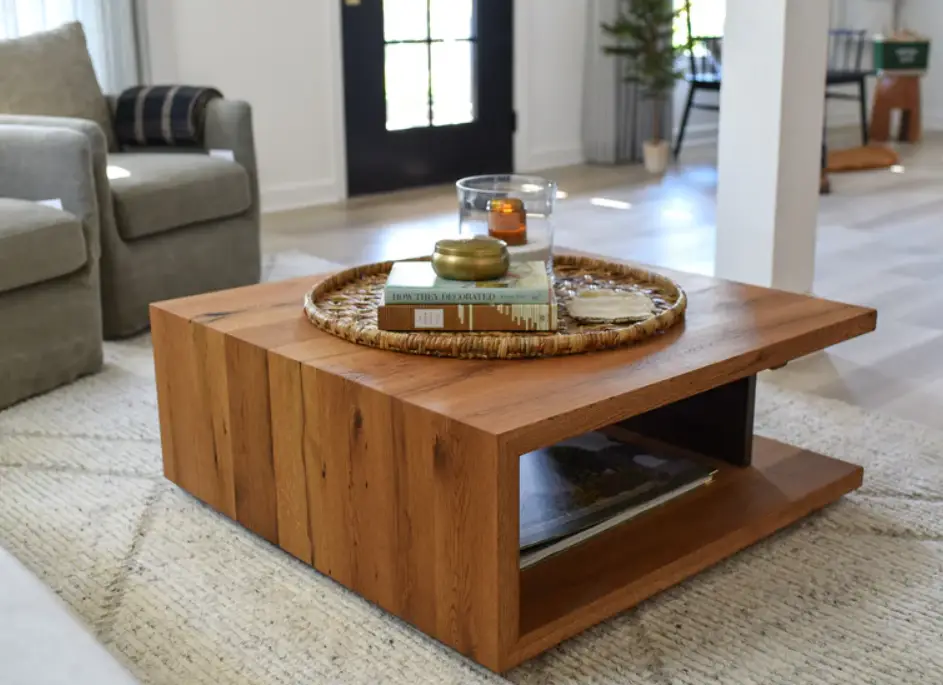
At the same time, aesthetics still matter. Trends like chunky oversized wooden tables and mid-century modern silhouettes continue to gain popularity among consumers seeking both durability and visual impact.
This mix of practicality and style defines the modern coffee table market.
What Affects Coffee Table Pricing or Quality?
Several critical factors influence the price and durability of a coffee table.
Materials
Material choice is one of the strongest determinants of value:
- Engineered wood or MDF
- Affordable and lightweight
- Common in budget models
- Solid hardwood
- Higher durability and longevity
- Increased cost
- Glass and metal
- Modern aesthetic with strong durability
- Stone or marble
- Premium price and luxury appearance
Material-driven pricing is evident in market averages where wood tables commonly fall between $150–$1,000, while glass or metal designs range $200–$1,200.
Size and Construction
Larger tables require more material and stronger structural support. Reinforced joinery or handcrafted construction also increases cost.
Functionality
Extra features elevate price points:
- Drawers or shelving
- Lift-top work surfaces
- Nesting or modular sets
These added capabilities raise manufacturing complexity and value.
Brand Reputation
Designer brands or established furniture companies command higher prices due to perceived reliability and craftsmanship.
Design Complexity
Unique shapes, finishes, or decorative detailing increase production costs and retail pricing.
Coffee Table Price Overview (USD)
Understanding price tiers helps buyers benchmark expectations.
Budget Segment ($30–$150)
Entry-level tables are widely available:
- IKEA LACK models priced around $29.99–$49.99
- Target sale models under $150
- Budget designs under $100 featuring steel or glass construction
These models deliver functionality but may prioritize affordability over longevity.
Lower Mid-Range ($150–$300)
A step up in quality:
- Rustic wood tables starting about $123.99
- Mixed-material tables around $170
- Faux marble styles near $112 on sale
This tier balances value and durability for many households.
Mid-Range ($300–$800)
Typical for quality builds:
- Average mid-range category cited industry-wide
- Improved materials and craftsmanship
This segment represents the mainstream U.S. consumer sweet spot.
Premium ($800–$2,000+)
Luxury category includes:
- Designer builds
- Premium materials
- Custom craftsmanship
These purchases are often style-driven investments.
Where to Buy Coffee Tables in the United States
Major Retailers
- IKEA — wide range of affordable modern options
- Target — stylish budget-to-mid designs
- Walmart — accessible price points
Budget-friendly options are commonly found at these major chains.
Online Marketplaces
- Wayfair
- Amazon
- Overstock-style platforms
These offer large inventories and competitive pricing.
Brand or Designer Stores
- Direct manufacturer websites
- Boutique furniture shops
These prioritize unique craftsmanship.
Secondhand Channels
- Facebook Marketplace
- Estate sales
- Antique stores
These venues often deliver major savings.
Financing, Promotions, and Discounts in the U.S.
Furniture retailers frequently provide purchase flexibility.
Buy Now, Pay Later
Common options include:
- Klarna
- Affirm
- Afterpay
These allow installment payments.
Seasonal Discounts
Retail campaigns regularly reduce prices:
- Sales offering up to 74% off furniture items
- Surplus promotions with tables starting around $96
- Clearance deals with markdowns on items formerly priced at $730
Other promotions include designer collections discounted to around $192 or similar ranges.
Timing purchases around holiday or clearance cycles can produce major savings.
Quick Buying Tips for U.S. Consumers
- Match table length to roughly two-thirds of sofa size
- Align height with sofa seat height
- Measure available space before purchasing
- Prioritize storage features for small rooms
- Compare materials rather than focusing solely on price
- Monitor seasonal sales events
- Check assembly requirements
- Review return policies
Design guidance suggests proper sizing ensures both aesthetic balance and usability.
Frequently Asked Questions
How much should I spend on a coffee table?
Most Americans spend between $100 and $1,200, depending on design and material preferences.
Are cheap coffee tables worth it?
Yes for short-term use or small spaces, but mid-range models often provide better durability.
What materials last longest?
Solid hardwood and metal typically offer the longest lifespan.
How do I pick the right size?
Choose one proportional to seating — about two-thirds sofa length.
Do multifunction tables justify higher cost?
For many households, yes — added storage or workspace utility can offset the price.
Final Thoughts: Choosing the Right Coffee Table for Value and Style
Coffee tables represent both functional and aesthetic investments. Today’s U.S. market offers extraordinary diversity — from minimalist budget models to luxury designer builds — ensuring options for every household.
To maximize value:
- Understand pricing tiers
- Focus on material quality
- Shop strategically during sales
- Compare multiple retailers
- Consider long-term durability
Ultimately, the best coffee table is one that harmonizes with your lifestyle, space, and budget. Thoughtful selection ensures the piece not only enhances visual appeal but supports daily living for years to come — making it a cornerstone purchase in any home furnishing strategy.
