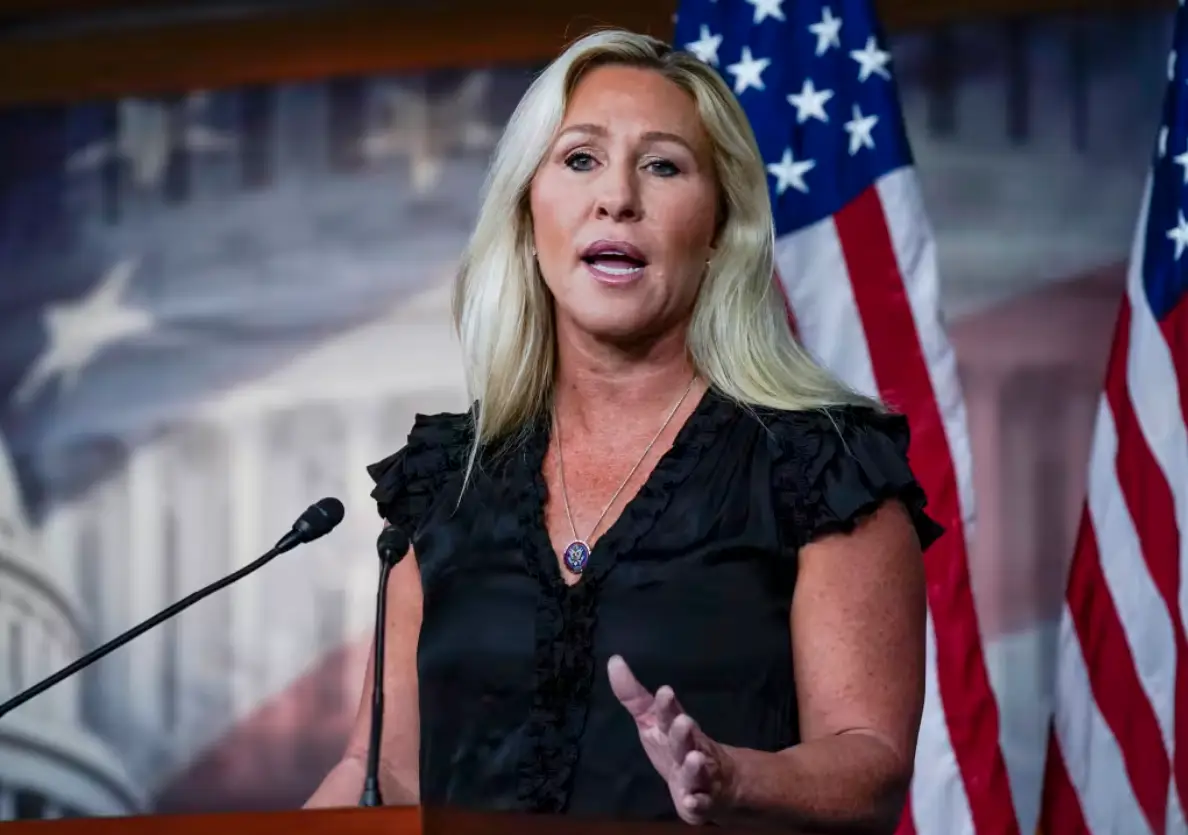
In a high-stakes legislative move, Georgia Republican Rep. Marjorie Taylor Greene has announced a bill that would phase out and eventually eliminate the H-1B visa program — a controversial system that enables U.S. companies to hire foreign skilled workers for specialized roles.
Greene argues that the program has been widely abused, claiming major corporations exploit it to replace American workers with cheaper labor. Her bill proposes ending the system entirely, with a temporary exception for up to 10,000 yearly visas for doctors and nurses, which would also be eliminated over the span of a decade.
Why the bill matters — and why it’s controversial
What is the H-1B program?
The H-1B visa, created in 1990, allows companies to employ foreign professionals in “specialty occupations,” often requiring highly technical skills in engineering, computer science, research, and healthcare. U.S. tech giants like Google, Amazon, and Microsoft are frequent users of the program, arguing it fills gaps in domestic talent pipelines.
In recent years, most H-1B approvals have been renewals rather than new hires, showing that many workers stay long-term in key industry roles.
Criticisms and concerns
Opponents of H-1B — including several Republican lawmakers — claim the system:
- Drives down wages for U.S. professionals
- Allows outsourcing firms to displace American workers
- Creates an overreliance on foreign labor at the expense of domestic training
Supporters counter that the visa program is essential for keeping the U.S. ahead in innovation, especially as other nations compete aggressively for highly skilled workers. Without the program, they argue, critical sectors like artificial intelligence, cybersecurity, semiconductor manufacturing, and healthcare could face significant workforce shortages.
The growing GOP divide
Greene’s proposal highlights a widening disagreement inside the Republican Party over employment-based immigration:
One GOP faction wants stricter immigration enforcement across the board, viewing H-1B as a loophole corporations exploit.
Another faction, aligned more closely with business interests, believes the U.S. economy cannot grow — or defend itself — without access to the world’s top technical talent.
This divide has been brought into sharper focus by Donald Trump’s own recent remarks defending the need for skilled-worker visas. He argues that certain industries simply lack trained American workers, particularly in defense manufacturing and advanced technology.
Economic and political stakes
Experts warn that eliminating H-1B visas could have major ripple effects:
Potential impacts on industry
- Tech companies could struggle to fill specialized roles
- Innovation and research pipelines could slow
- Talent may shift abroad to competitor nations
- Healthcare shortages could worsen, especially in underserved areas
Potential impacts on the workforce
- Some Americans may have better access to higher-paying technical jobs
- Wage growth could improve for professionals in fields currently facing foreign-worker competition
Political dynamics
- Business groups are likely to lobby heavily against the bill
- Restrictionist lawmakers may push similar legislation, fueling debate heading into future elections
- The issue, once niche, is now gaining visibility as layoffs and AI-driven job changes stir anxieties among U.S. workers
What’s next?
If officially introduced in Congress, Greene’s bill will join a growing number of proposals seeking to sharply limit or restructure the H-1B program. Any substantial change could reshape:
- The U.S. tech and healthcare workforce
- American competitiveness in global innovation
- Immigration pathways for highly educated foreign professionals
While the bill’s chances of passage remain uncertain, the debate over H-1B visas has now become a defining policy clash — one that may influence the future direction of both U.S. labor strategy and the Republican Party itself.